
 简体中文
简体中文 Español
 Deutsch
 لالعربية
 Français
 Português
 Русский
Why Drawing Review Matters Before Custom CNC Machining Starts
In custom CNC machining, many quality problems are not created at the machine. They are often hidden in the early stage of a project, before the first tool path is programmed. A drawing may look complete, but if tolerance notes, material requirements, surface finish needs or assembly functions are unclear, the machining process can become slower, more expensive and less predictable.
For overseas OEM buyers and engineering teams, this is why drawing review has become an important part of precision parts sourcing. A practical review before machining helps both sides understand what the part must do, which dimensions are critical, and where the process needs stronger control.
From Drawing Requirements to Machining Decisions
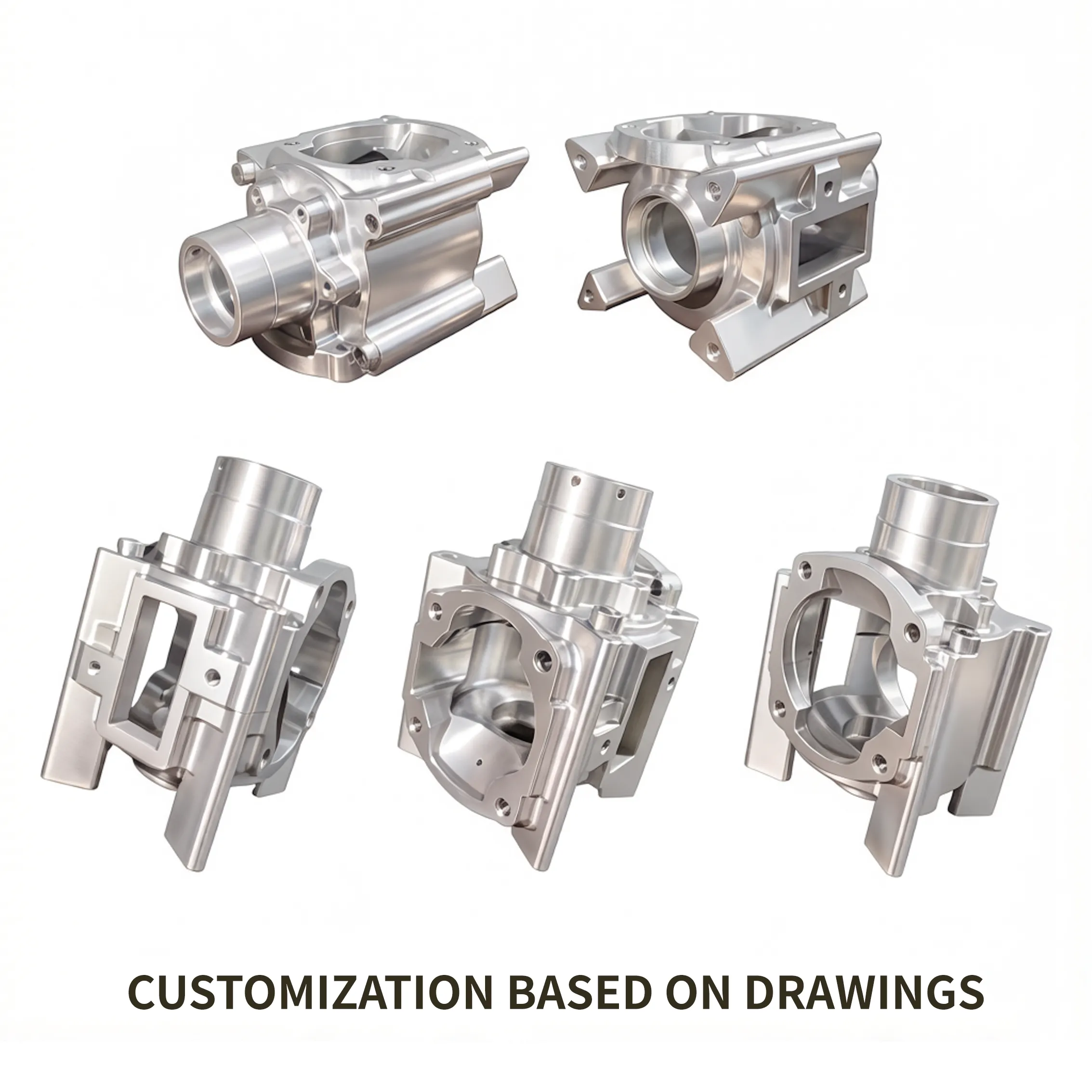
A CNC drawing is more than a shape description. It guides material selection, machining sequence, clamping strategy, tool access, tolerance control and inspection planning. For example, a part with deep pockets may require longer tools and careful vibration control. Thin-wall aluminum parts may need optimized clamping to reduce deformation. Stainless steel components may need additional attention to cutting heat, tool wear and burr control.
When these details are reviewed before production, the supplier can identify risk points earlier and give more realistic manufacturing suggestions. This is especially useful for parts used in robotics, drones, automotive systems, medical devices and industrial automation equipment, where assembly surfaces, threaded holes, bores and multi-face features often need consistent control.
Key Information That Helps a CNC Supplier Quote Accurately
A complete RFQ package does not need to be complicated, but it should answer the main production questions. Helpful information includes 2D drawings, 3D files, material grade, tolerance requirements, surface treatment, heat treatment if required, estimated quantity and any critical functional surfaces.
If the part belongs to an assembly, it is also useful to explain how it fits with nearby components. This helps the machining team understand which features need priority control. In some cases, a small change in tolerance range, corner radius, wall thickness or surface finish requirement can reduce machining difficulty while still meeting the functional purpose of the part.
Inspection Should Be Planned Before the Part Is Finished
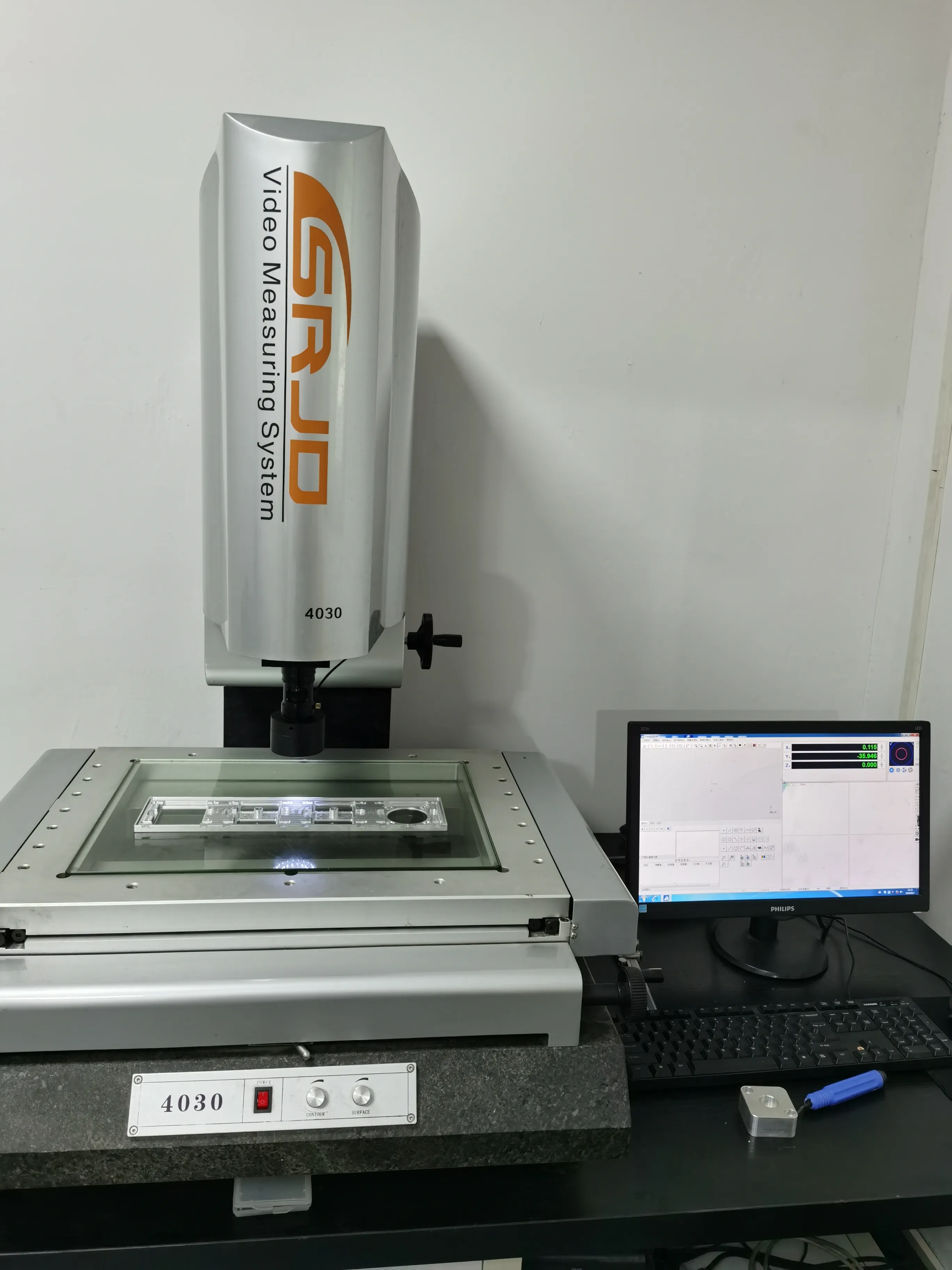
Final inspection is important, but inspection planning should start much earlier. Critical dimensions should be matched with suitable inspection methods such as CMM inspection, height gauges, micrometers, calipers, plug gauges or thread gauges. The goal is not only to find problems after machining, but to make the machining process more controllable from the beginning.
For parts with tight tolerances or multiple reference surfaces, the inspection datum should be clear. If the datum is not understood correctly, the machined part may pass one measurement method but still fail during assembly. This is why early communication between the buyer and machining supplier is valuable.
A Practical Step Toward Stable Custom Parts Supply
Custom parts sourcing is not only about price and lead time. For long-term projects, stable quality depends on a clear understanding of drawings, process feasibility and inspection requirements. A machining supplier with CNC milling, CNC turning, turn-milling compound machining and inspection capability can support this process by reviewing drawings before production and providing practical feedback.
HTL CNC supports custom precision parts manufacturing from prototype samples to batch production. Our team works with aluminum alloys, stainless steel, steel, copper, magnesium alloy, PEEK and engineering plastics, and helps customers review machining feasibility before production.
If you have drawings for a custom CNC machining project, you are welcome to send them to HTL CNC for manufacturability review and quotation support.


