
 简体中文
简体中文 Español
 Deutsch
 لالعربية
 Français
 Português
 Русский
CNC Machining Quality Starts Before the Final Inspection
In custom CNC machining, quality is often imagined as the last step: a finished part on an inspection table, a drawing beside it, and a list of dimensions to check. In real manufacturing, quality starts much earlier. It begins when an engineer reads the drawing, studies the tolerance notes, reviews the material, and thinks about how the part will be held, cut and measured.
This is especially important for overseas OEM buyers. A custom part may look simple in a 3D model, but the actual manufacturing path can include deep pockets, threaded holes, thin walls, large bores, flatness requirements, surface finish notes or several datum references. If these points are not reviewed before machining, problems may appear only after time and material have already been spent.
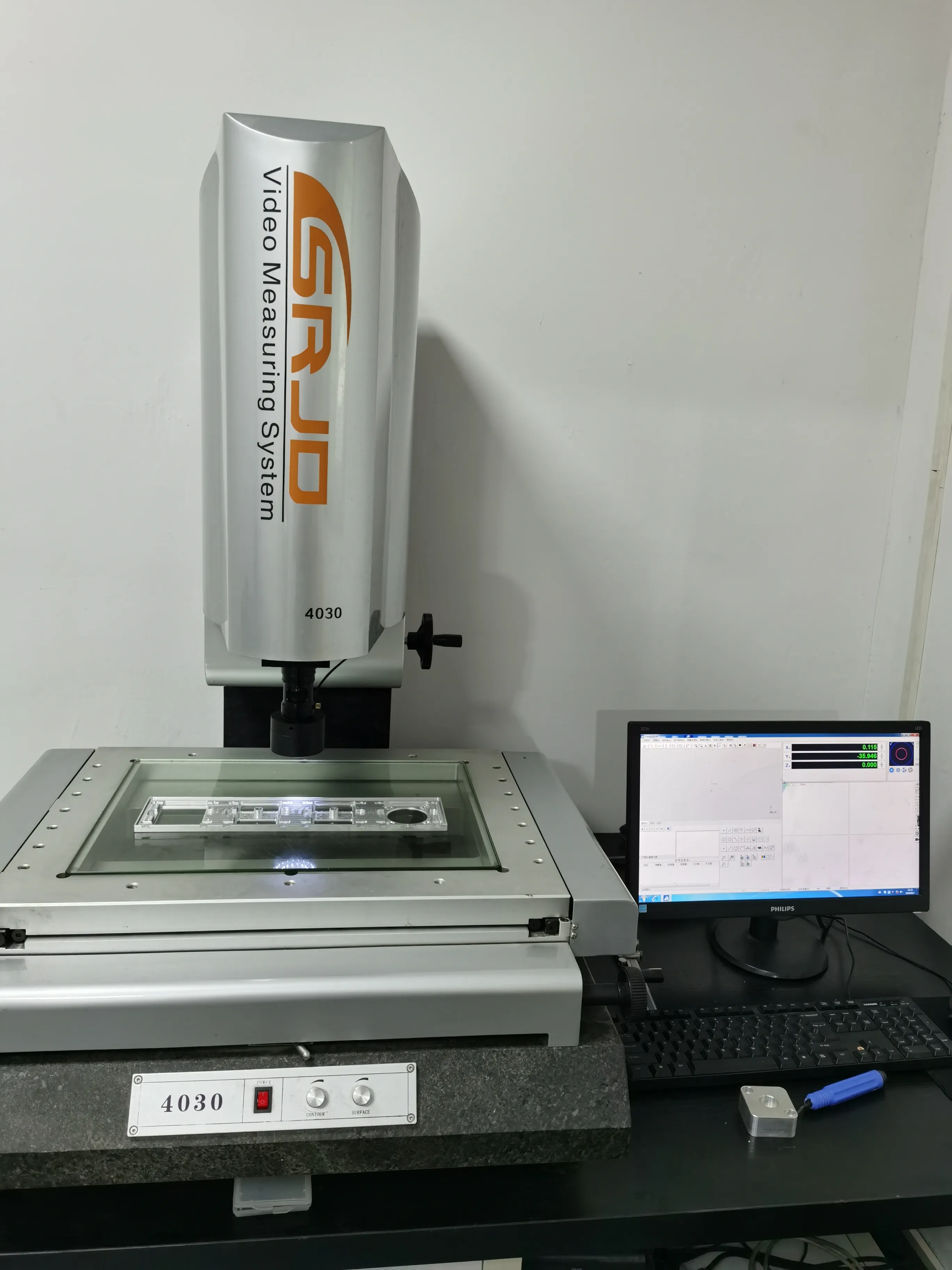
Drawing Review Reduces Machining Risk
A practical machining review checks more than shape. It asks whether the tolerance is suitable for the material, whether the tool can reach the required area, whether the part may deform during clamping, and whether the key dimensions can be inspected reliably after machining. These questions are not theoretical. They directly affect lead time, cost and repeatability.
For aluminum parts, the focus may be on thin-wall stability, surface finish and burr control. For stainless steel or steel parts, heat, tool wear and deformation may need closer attention. For copper, magnesium alloy, PEEK or engineering plastics, material behavior can also change the process plan.
Inspection Should Match the Function of the Part
Not every dimension has the same importance. Critical bores, threaded features, assembly surfaces and datum-related dimensions usually need more careful control than non-functional cosmetic areas. Good inspection planning helps the supplier and customer understand which features matter most in the final assembly.
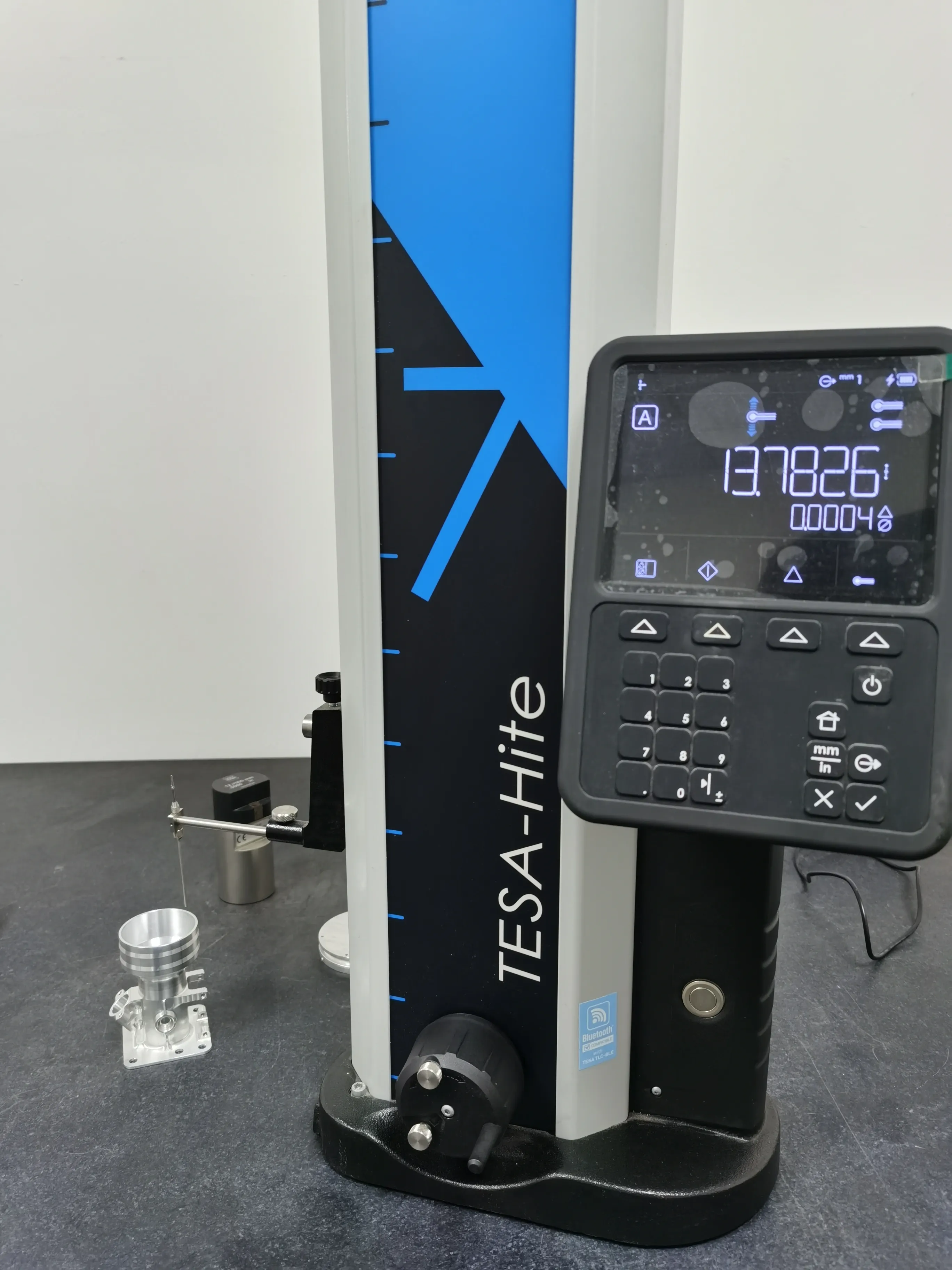
Depending on the drawing requirement, inspection may involve CMM measurement, height gauges, micrometers, calipers, plug gauges, thread gauges or visual checks for surface condition. The point is not to use the most complex tool every time, but to use the correct method for the feature that needs control.
Clear RFQ Information Makes Better Quality Possible
For buyers, a complete RFQ package helps reduce uncertainty before production. Useful information includes 2D drawings, 3D files, material grade, tolerance requirements, surface treatment, quantity, application notes and any critical assembly areas. If the part has been difficult to make before, sharing the previous problem also helps the machining team prepare a better process.
HTL CNC supports custom precision parts manufacturing with CNC milling, CNC turning, turn-milling compound machining and inspection support. For new projects, our team can review drawings and provide manufacturability suggestions before production begins.
If you have a custom machining project, send us your drawings and requirements for review.


